

Giselle - The Most Iconic Romantic Ballet
Giselle - A Ballet in two acts (1841)
Giselle, as it is more commonly known, or "Les Willis", is one of the most famous repertoire ballets in the world, being a work of romantic ballet, created by the poet Théophile Gautier, together with the playwright Jules-Henri Vernoy de Saint-Georges.
Giselle is defined by the 'ballet blanc', also known as the "white act," this type of scene is a trademark of the Romantic Era. While traditional classical ballet often relied on short dances intended for pure entertainment, ballet blanc utilizes the full power of the corps de ballet to create an introspective and melancholic atmosphere.
The ballet was inspired by the book De l’Allemagne (1835, by the German Heinrich Heine) which told the myth of the Willis, and also by Victor Hugo's poem entitled "Ghosts" in which a young woman who loved balls dreamed madly about them.
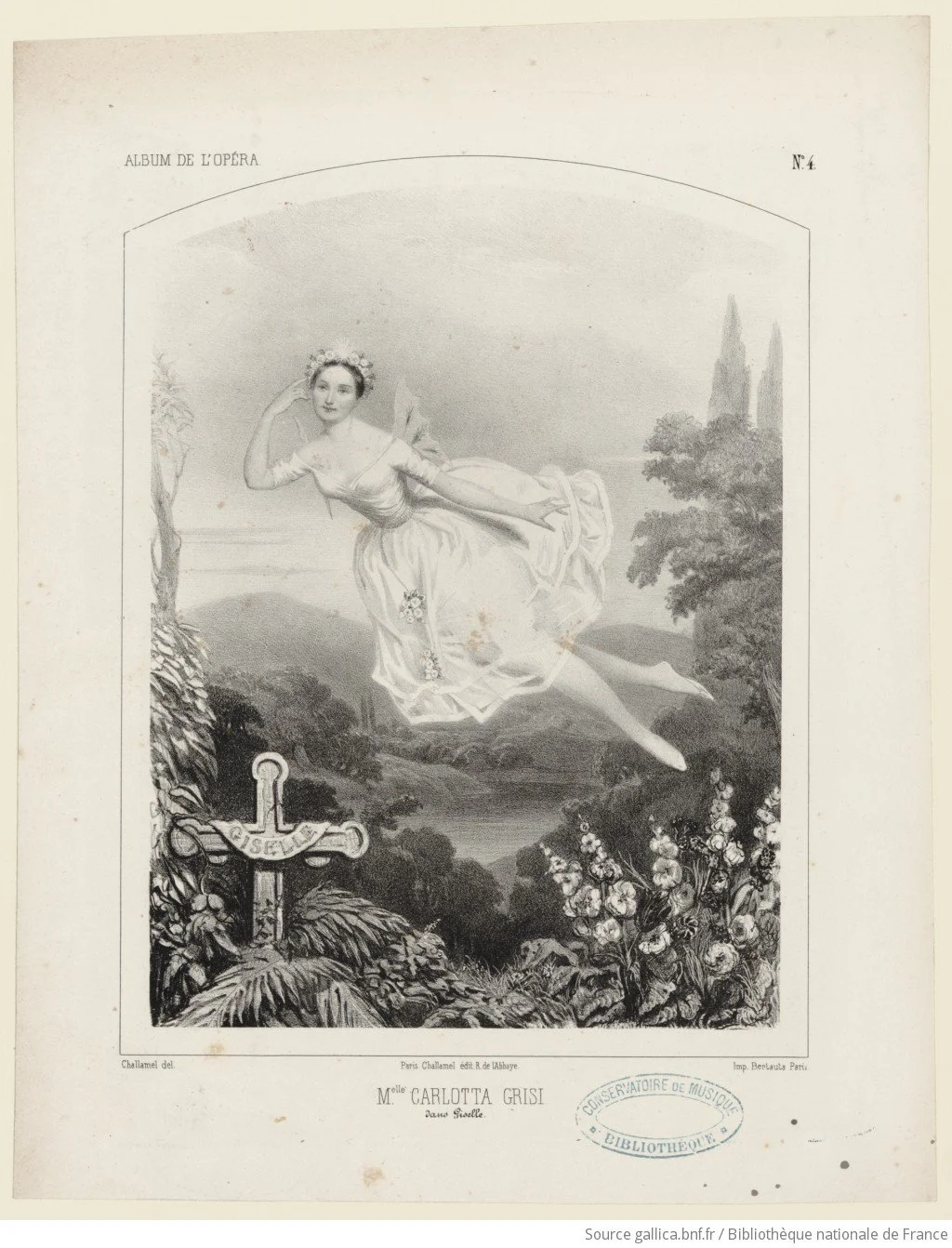
* Album de L’Opéra - Carlotta Grisi - Giselle
This ballet was created for the ballerina Carlotta Grisi. Considered a masterwork in the classical ballet performance canon, it was first performed by the Ballet du Théâtre de l'Académie Royale de Musique at the Salle Le Peletier in Paris on 28 June 1841.
Act I
The story takes place in the German countryside during the grape harvest. Giselle, a peasant girl, falls in love with Loys, who is actually a nobleman named Albrecht and is engaged to Bathilde.
Hilarion, who is in love with Giselle, discovers that Albrecht is deceiving Giselle and exposes him during a visit from nobles. Giselle, who is in frail health, cannot bear the betrayal, goes mad, and dies.
Act II
After her burial, Giselle's spirit is summoned by the Wilis, vengeful ghosts of young women who died before their wedding.
The Willis force Hilarion to dance to his death. Duke Albrecht also visits Giselle's grave, begging for forgiveness, and becomes the target of the merciless Queen Myrtha.
When Albrecht arrives at Giselle's grave, the Willis try to do the same thing they did to Hilarion, but Giselle protects him with her love and dances with him until dawn, when the spirits lose their power, saving his life and forgiving him.
Giselle, whose love transcends death, is freed and returns to her tomb to rest in peace.
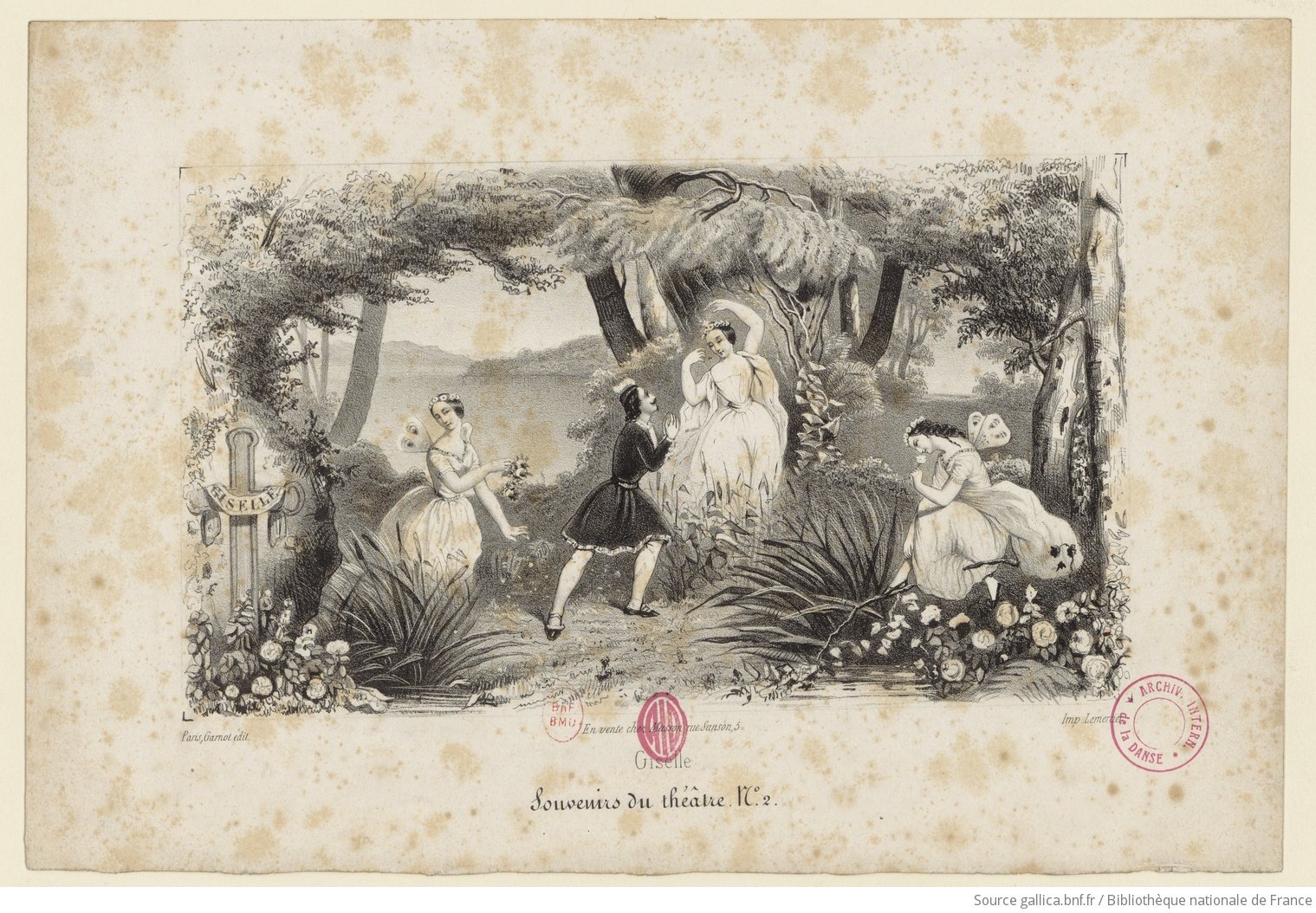
* Theater souvenir - 1844
Costumes
Although La Sylphide (1832?) predates Giselle, it was the latter that established the romantic ballet genre. While ballet in the past was more of a frivolous and formless activity, Giselle was acclaimed as the best ballet of all time. The ballet Giselle ou Les Willis (1841) was heavily influenced and inspired by Philippe Taglioni's La Sylphide, which inaugurated the era of Romantic ballet. Giselle reflected the ideals of the Romantic Movement through its attention to nature, exoticism, the supernatural, the spiritual, and the irrational, expressed in the plot, choreography, set design, and costumes.
The synopsis of Giselle does not mention the period of the ballet. Paul Lormier must, however, have received some guidance from Gautier. It is possible that the corps de ballet and extras were fitted with parts of the costumes borrowed from the Opera's extensive wardrobe. Lormier worked at the Opera as a costume designer from 1831 and became Head of Costumes in 1855, continuing in the position until 1887.
He was a serious scholar of historical costume and strove hard to ensure the accuracy of the details. It was necessary to understand the writer's inspiration, and together with the set designers, create the setting that the play demanded in the most realistic way possible.
For the costume designers, it was important to research in libraries and works of art the costumes and colors used by certain peoples in the period in question, in order to transform the everyday costume so that it could be taken to the stage. Lormier and Cicéri, when necessary, traveled to certain locations for the Opera. Their intention was to see the scenery, thus researching the location and the respective costumes for the performance.
Lormier, despite sometimes tight budgets, sought to respect the action as much as possible chronologically and geographically. Therefore, he sometimes reused something already existing in the collection, designing only the clothing of the main characters. Lormier's costume designs for the characters in Giselle, with his marginal notes on the materials to be used, are still preserved in the Opera Library.
The ballet follows the precepts of Romanticism, with its supernatural love story and the prevalence of white costumes. The spiritual characters in the work were inspired by Slavic legends about the ghosts of brides who could not marry and haunt roads and forests in search of men to marry. Based on this, the dancers' costumes resemble wedding dresses, with flower crowns on their heads.
It is a tradition in romantic ballet that its story is divided into two contrasting acts, usually indicating a plot twist. In Giselle, the plot of the first part focuses on the mortal and rural life of the character. To represent a German costume, a dark velvet bodice, a silk apron, and ribbon bows at the hem of the skirt were added to the tutu.
The second part shows the supernatural story after her death and the costumes have light and neutral tones. The costumes for the second act were influenced by the fashion of the time. The Romantic era was defined by long, white, bell-shaped skirts that reached the ankles. This was made possible by the use of tulle, a new textile technology of the time that allowed for greater freedom of movement and created a light appearance.
One of the most important aspects of Giselle's costume is the use of pointe shoes. This new technique allowed the ballerinas to appear to float and fly across the stage. Giselle was one of the first ballets to be performed entirely en pointe.
The origin of Giselle's costume
Paul Lormier created a period costume based on traditional ballet attire, using colours like yellow and ochre in the peasant dress and some blue details. The costume for the second act features light tones, transparent fabrics, and flower appliqués throughout the dress, symbolizing the flowers left on the character's grave upon her death.

* Giselle - Act I - 1841
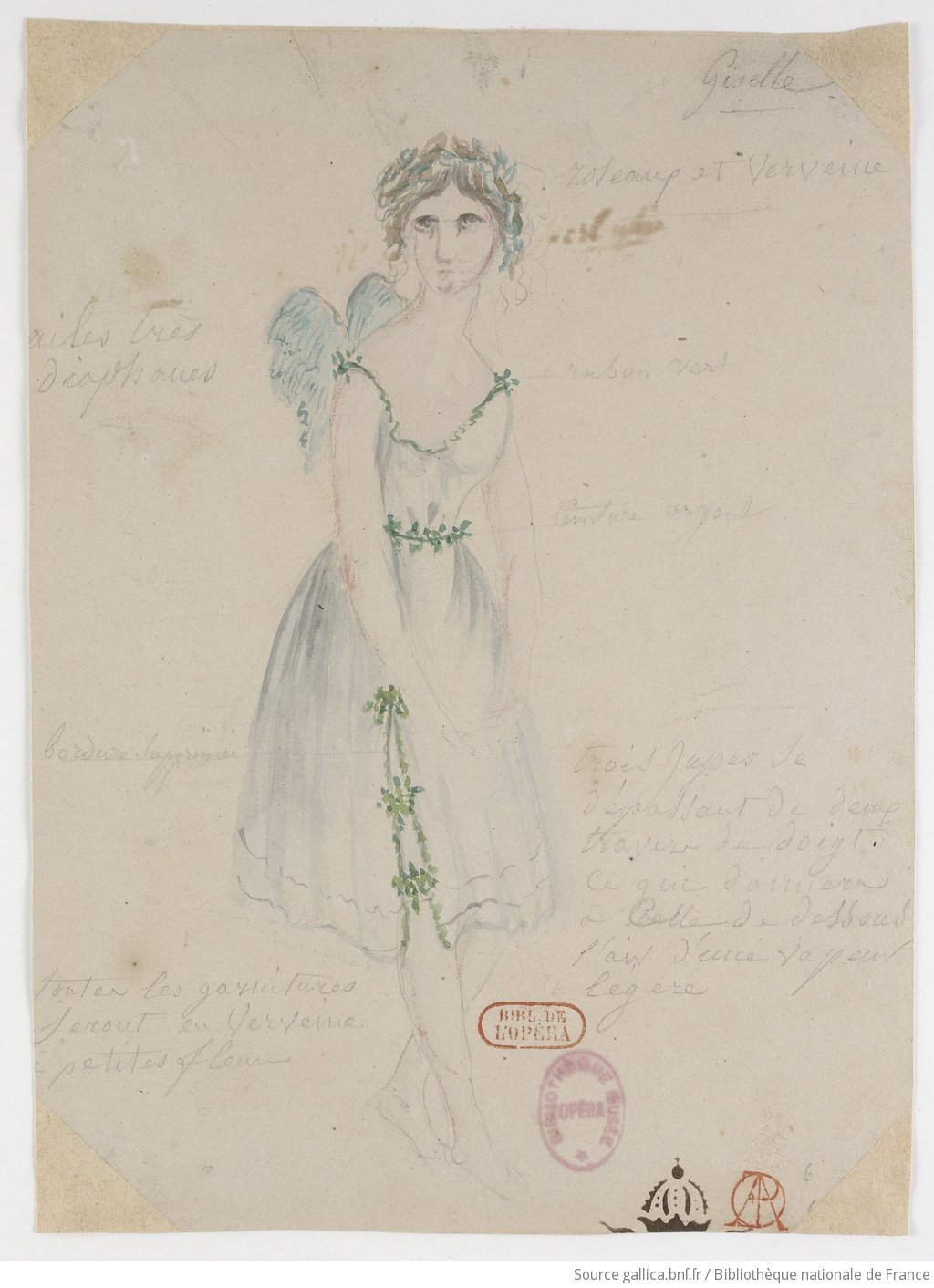
* Giselle - Act I - 1841
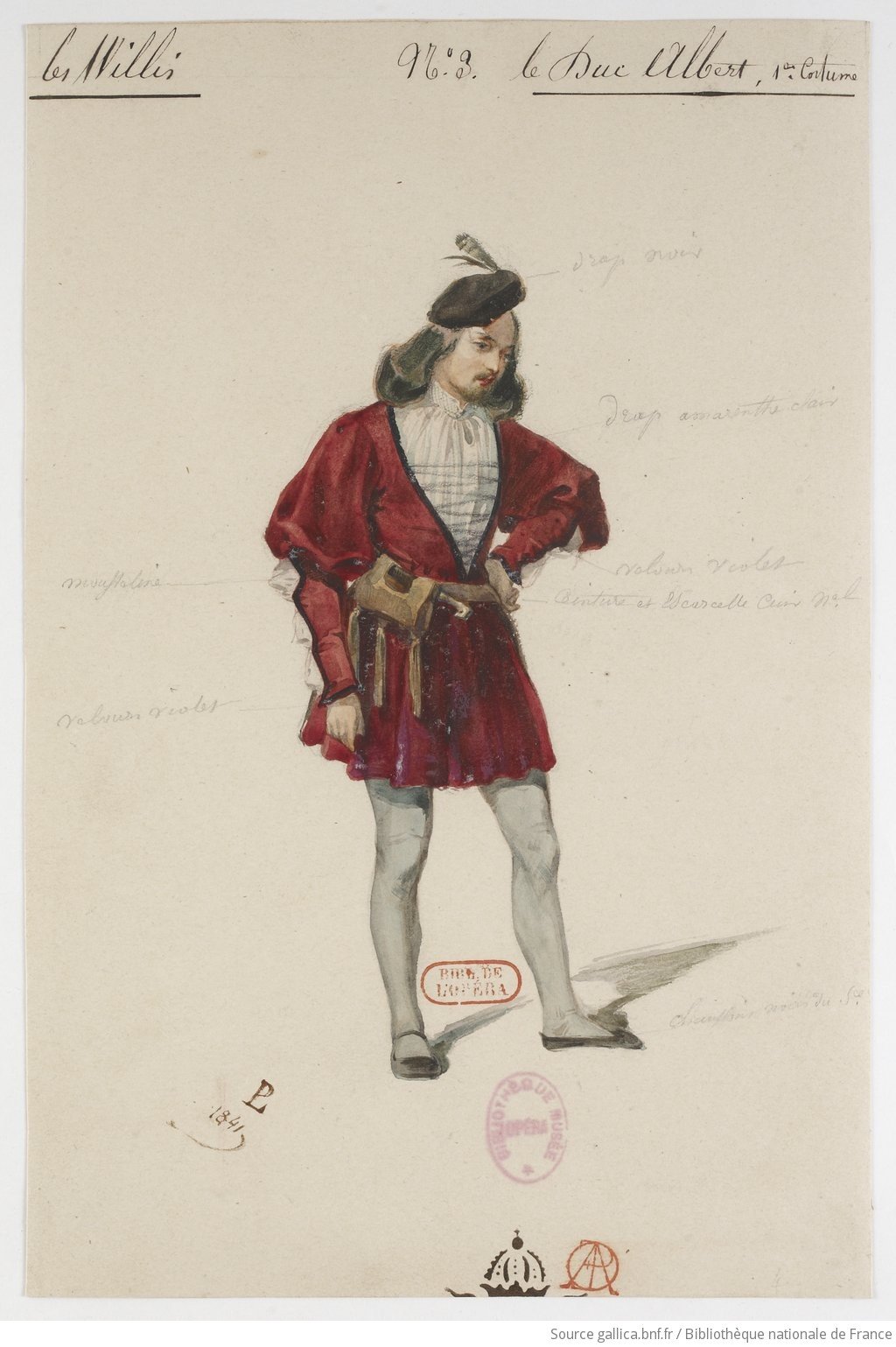
*Duke Albrecht - Act I - 1841
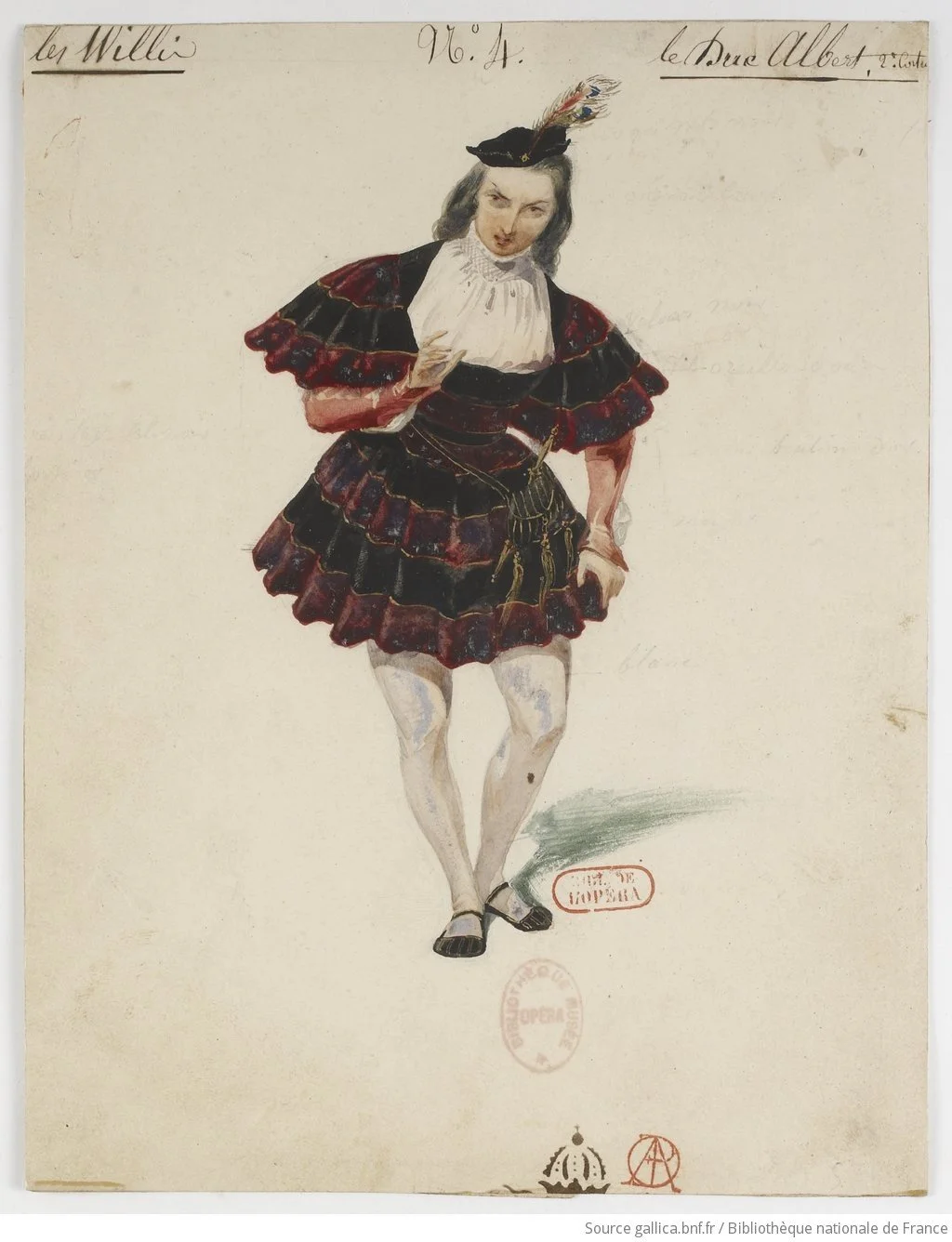
*Duke Albrecht - Act II - 1841
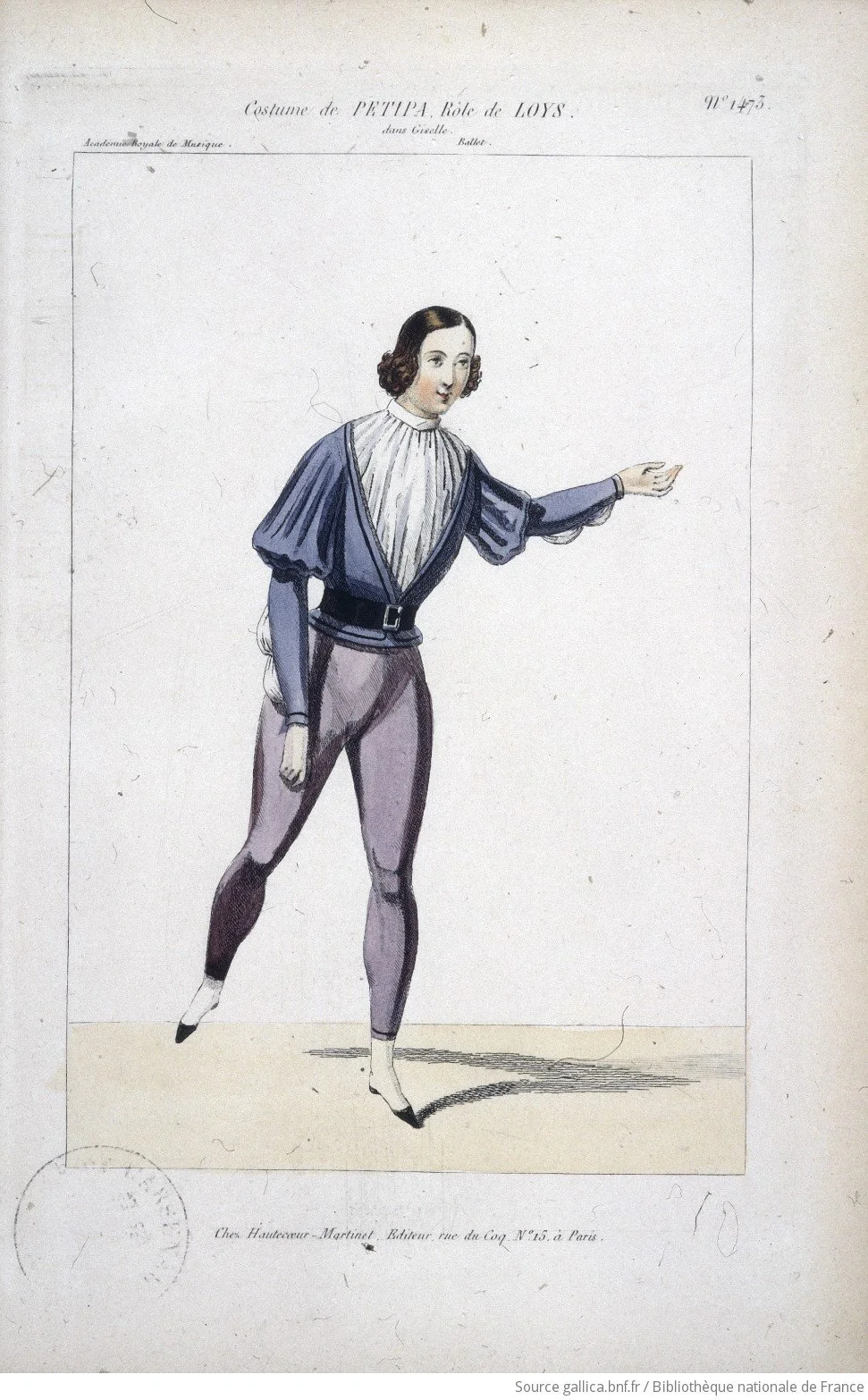
*Loys’ Costume - 1841
Timeline of the costume design for the ballet Giselle
The ballet Giselle is set in a small village in the Rhine Valley, in medieval Germany, and the early costumes reflected this context. Since Giselle's premiere in 1841, fashionable clothing and female silhouettes have greatly influenced the costumes.
Over time, two very notable changes in technology have significantly influenced ballet costumes: pointe shoes and the absence of corsets. In the 20th century, lighter costumes and changes in pointe shoe technology were reflected in the execution of technique, allowing for greater freedom and precision of movement.
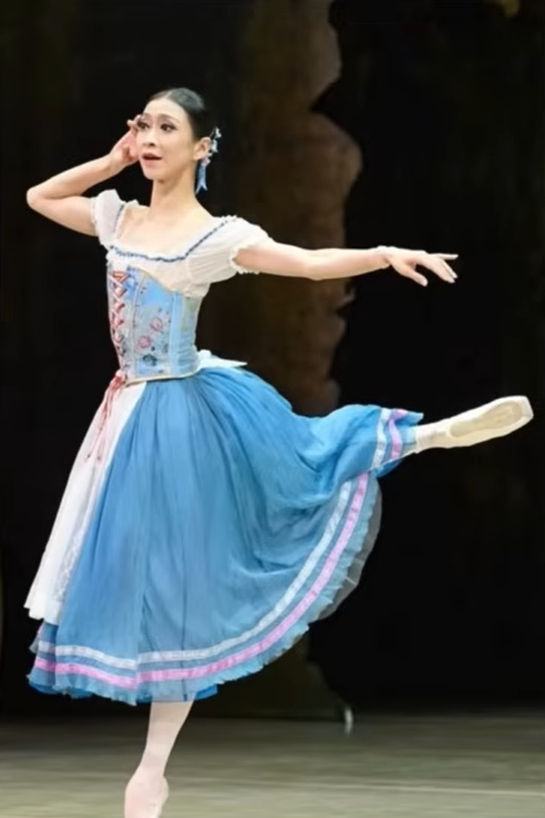
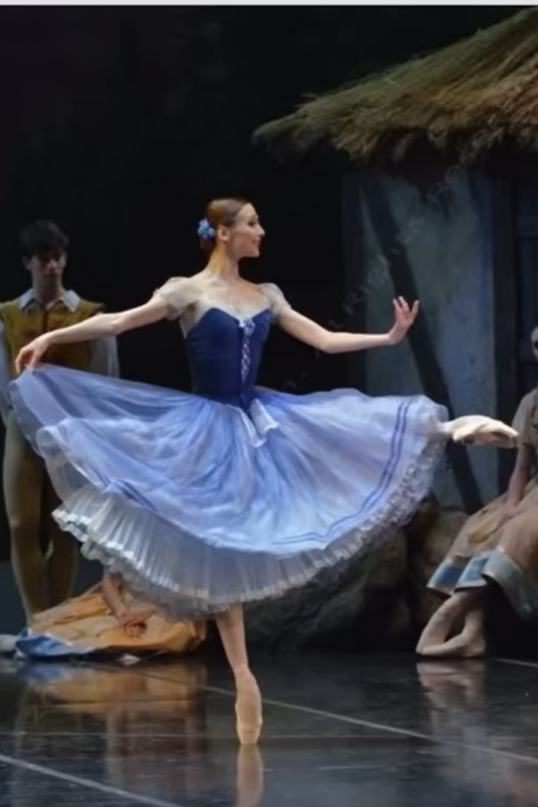
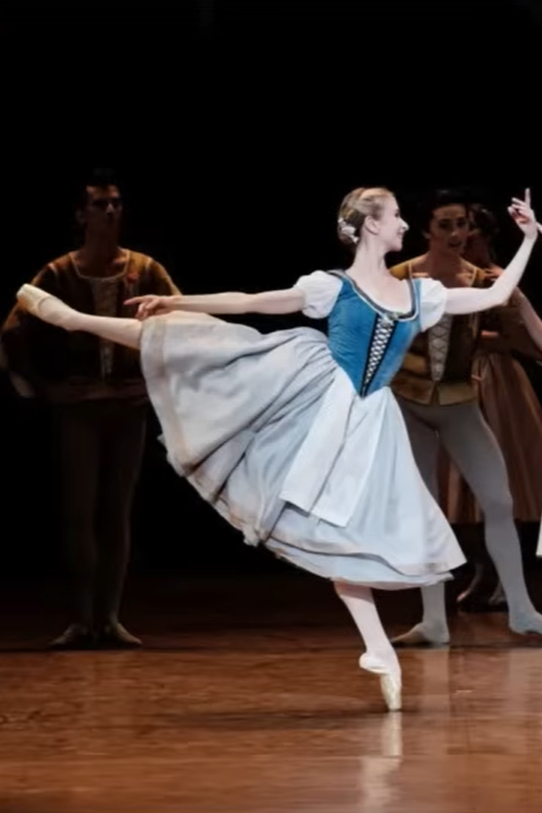
More recent versions of Giselle costumes preserve some characteristics from the time of the ballet's premiere, but are not committed to historical accuracy of the clothing of that era. In the costumes of some companies, the brown and ochre tones of the first act have been replaced by shades of blue, which evoke the sweetness and innocence of the character. Other aesthetic details were also introduced, such as embroidery, ribbons, and the use of a wide variety of fabrics to create a striking stage effect.
1842 - Giselle is presented in Russia, staged for the first time in St. Petersburg, conceived especially for the first Russian Romantic ballerina, Elena Andreyanova.
1884 - Petipa arrives at the Theatre and revives the ballet with his version for the ballerina Maria Gorshenkova.
1887 - The performance and set design were updated when the then costume designer of the Imperial Ballet, Evgeny Ponomaryov, designed the costume for Emma Bessone. Giselle's peasant costume did not adhere to any rules of color or design pattern, nor did it strictly follow the original French costume.
1899 - Petipa created another version for the ballerina Henrietta Grimaldi.
1903 - The most important revival of the ballet Giselle would come for the young Anna Pavlova. Pavlova's costume maintains a light colour as its base in both the first and second acts; the extremely arched skirt and defined waist are present in both performances. The puffed sleeve heralds the arrival of the 20th century and would be reproduced in most later versions, as demonstrated.
Years after the Russian Revolution - In Saint Petersburg, the ballet, now called the Kirov, staged Giselle in one of its best-known versions, for the celebrated Soviet ballerina Galina Ulanova. Following the precepts of a more realistic costume, demanded at the time, Giselle's costume has reduced volume. The dress in the second act is more minimalist, while the peasant costume seeks to portray German attire more faithfully, with a dark bodice and apron. The puffed sleeves remained in this version, which is believed to have been designed by Tatiana Bruni.
1930s and 40s - Tatiana Bruni collaborated with the Kirov Ballet from 1930 onwards, and worked on costume design for many years. She was responsible for the new standard for Giselle's costume. From 1943 onwards, a predominance of the color blue is noticeable in her illustrations of the character in all versions performed by the Mariinsky Theatre.
From 1978 - Versions of Giselle began to be staged by Igor Ivanov and feature costumes by Irina Press. The protagonist's costume has undergone some updates since then. The Giselle ballet began to present costume versions more in line with the aesthetics appreciated in each period, adapting innovations without losing the foundation that guides the ballet's aesthetic.
1990s - Starting in the 1990s, in the major dance companies, the costumes for the first act of Giselle became predominantly blue, standing out from the costumes of the corps de ballet. The techniques for executing the costumes allowed for some significant changes that contributed to making the costumes more comfortable and functional, giving more freedom of movement.
The costumes for the second act remain very similar to the original, with different shapes of the sleeves and skirt, which in some companies is more voluminous, shorter or longer, but always maintaining the romantic tutu.
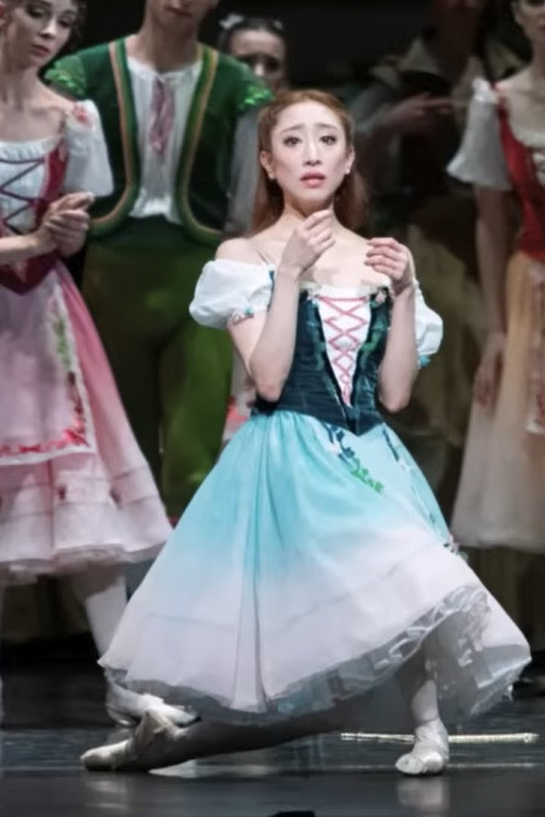
2000s - From the early 2000s to the present day, the costumes for the first act of Giselle frequently combine the colors blue and white, and may have details of embroidery and appliqués. The peasant women's dresses maintain their traditional characteristics. Velvet is frequently used for the bodices, which may have embroidery and other floral details. For the peasant women's skirts, transparent and flowing fabrics are used over the tulle tutus. The color palettes can vary from earthy tones to more vibrant shades and even color gradients, with rich details such as embroidery and ribbon appliqués on the hems of the skirts.
There are no very significant changes in the costumes of the second act, which maintain the same fluid and light silhouette. Some companies dare to innovate the costumes with cleaner and more minimalist lines, in a less ornate and more contemporary style, for both the first and second acts. But in general, there is a trend of returning to the style of the original costume, with skirts of several layers of white tulle, light sleeves and many details such as embroidery and flower appliqués.
Fabric technology has advanced greatly over the years, and lighter and more breathable stretch fabrics have allowed for even more comfortable and ergonomic costumes.
Giselle's costume has undergone changes over the years, but its main characteristics have been predominantly maintained. Since its successful debut on June 28, 1841, at the Paris Opera, Giselle has been part of the select group of acclaimed ballets that continue to be performed to this day. Paul Lormier's costumes have become timeless, constantly reproduced by ballet companies. Currently, the ballet Giselle maintains the romantic style of its costumes and sets, which are widely reproduced, and its restagings are a success wherever they are presented, still moving audiences.
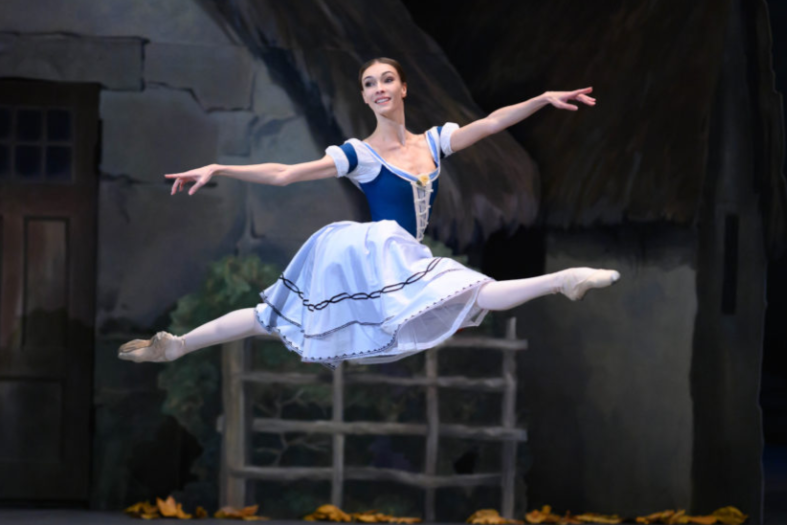
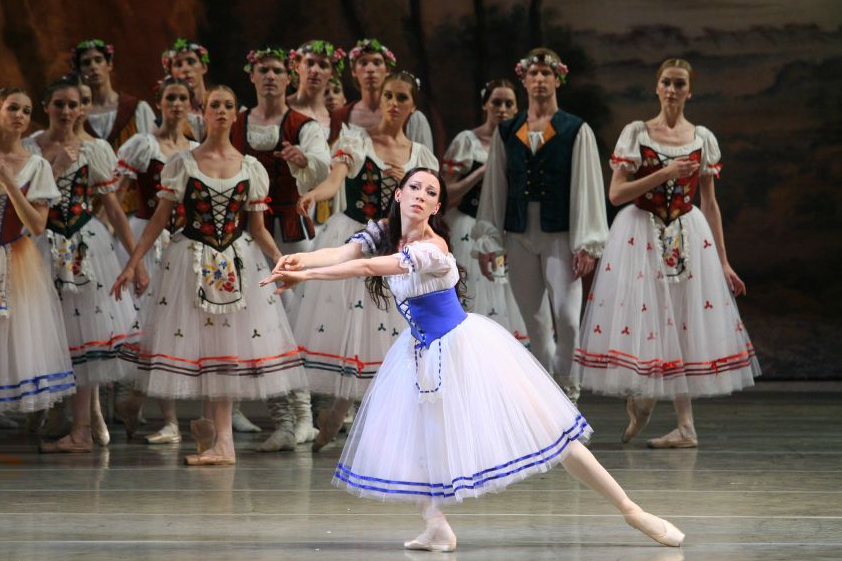
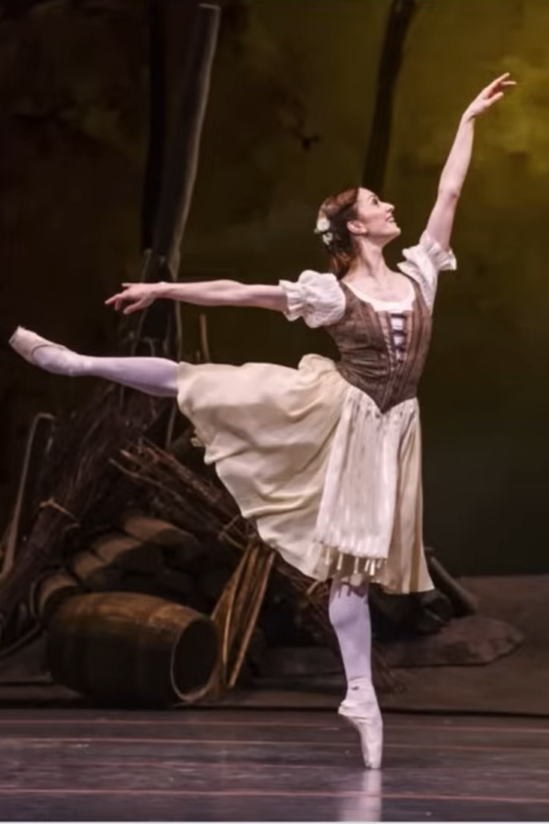
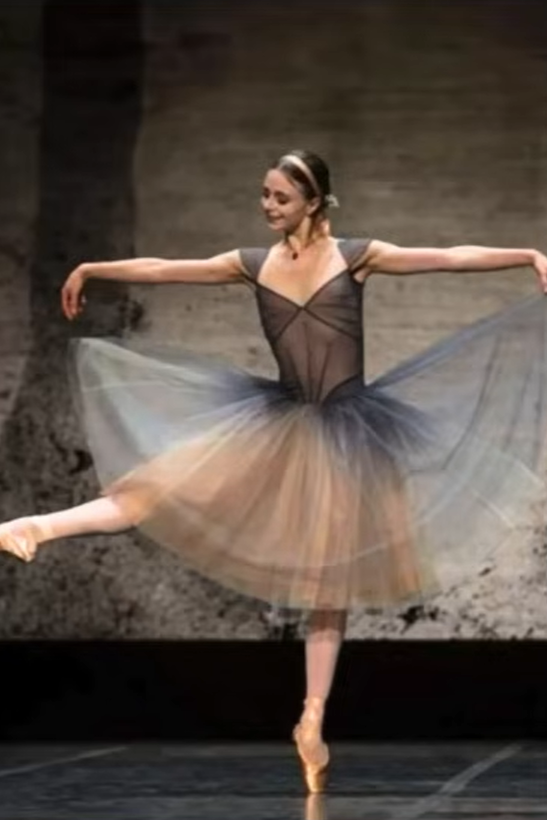
What's your favorite ballet? Would you like to suggest a theme for the next post in this category? Comment using the form at the end of this post!
The images above are stills from the following ballet companies: Royal Danish Ballet, Ballet Bolshoi, Royal Ballet, Hong Kong Ballet, Paris Opera Ballet, Polish National Ballet, La Scala Ballet, Mariinky Ballet.
Research sources
* Images - National Library of France, France - No Copyright - Free to use for research purposes.
Album de L’Opéra - Carlotta Grisi - Giselle
The ballet called Giselle by Beaumont, Cyril W. (Cyril William), 1891-1976
Ballet: The Definitive Illustrated Story by DK (Author), Viviana Durante (Foreword, Consultant Editor) - 2018
The Ballet lovers Companion by Zoe Anderson - 2015
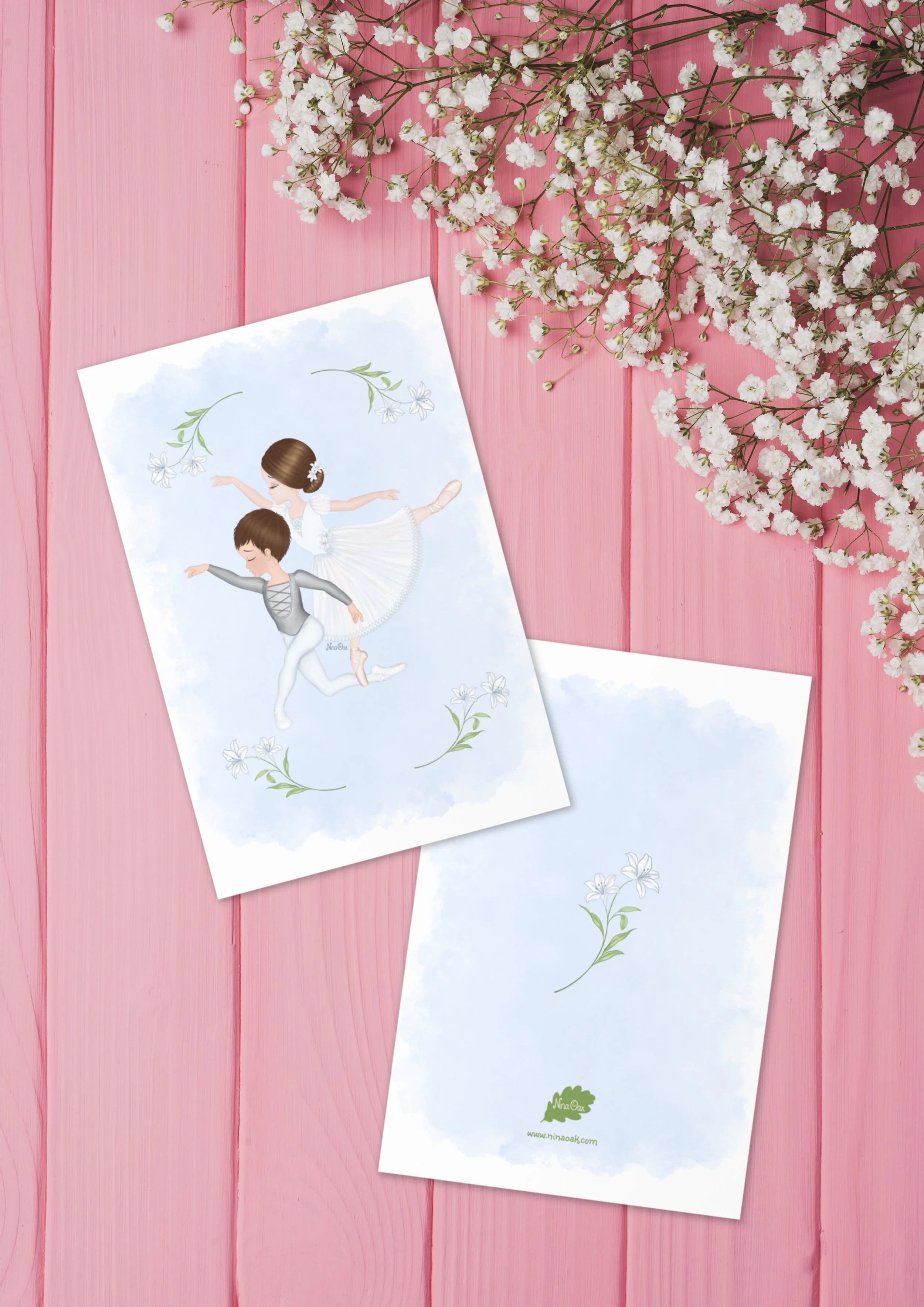
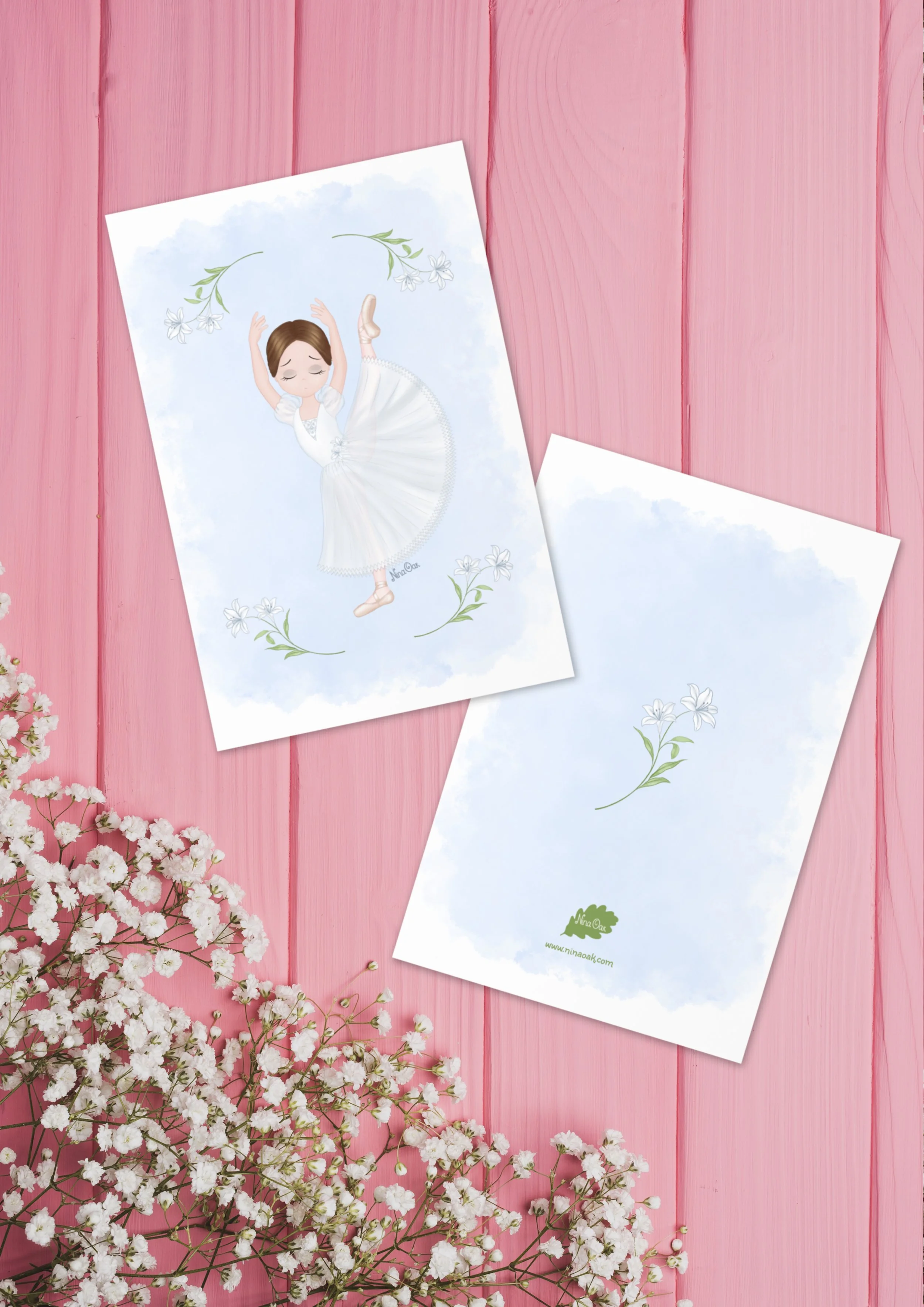
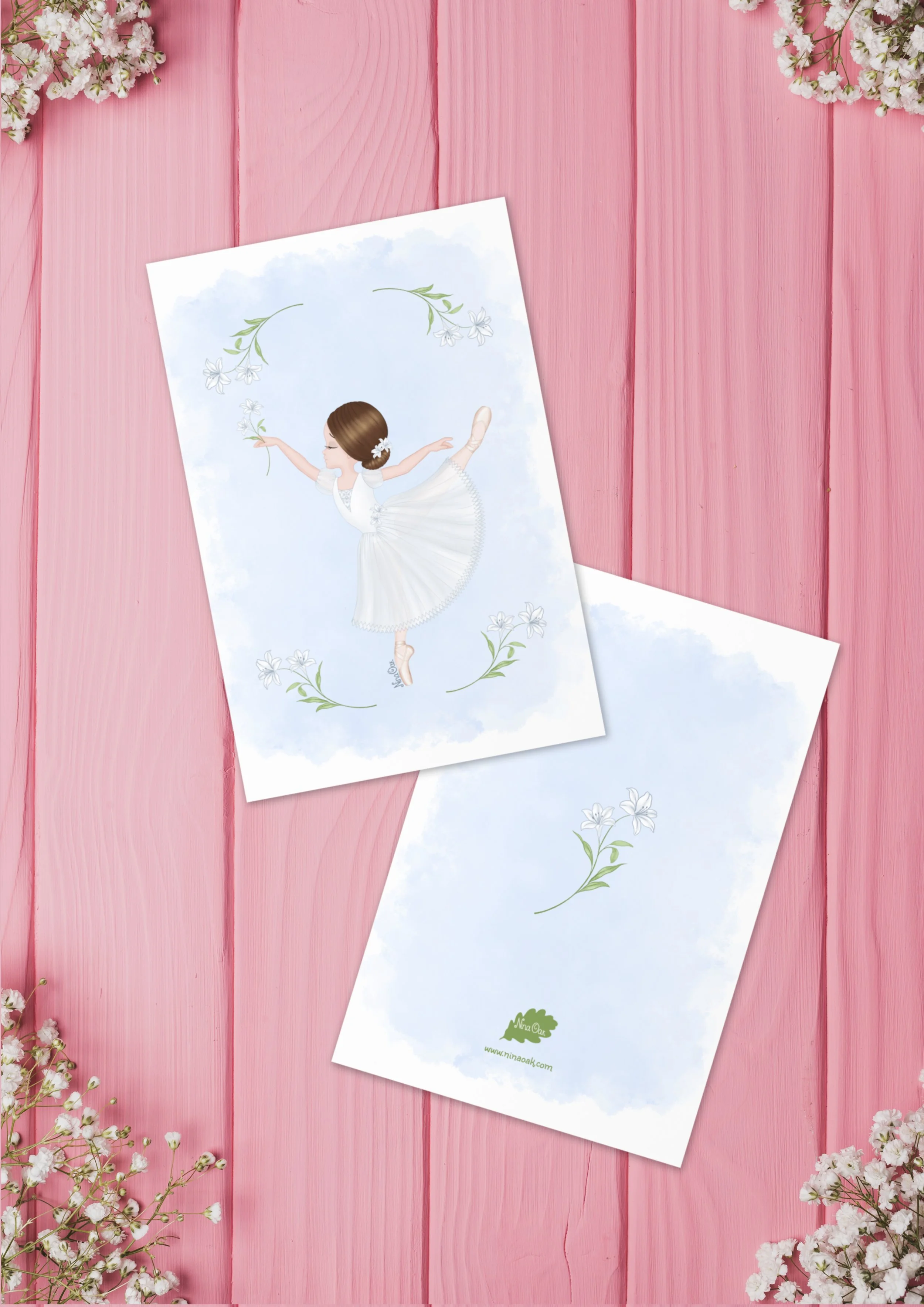
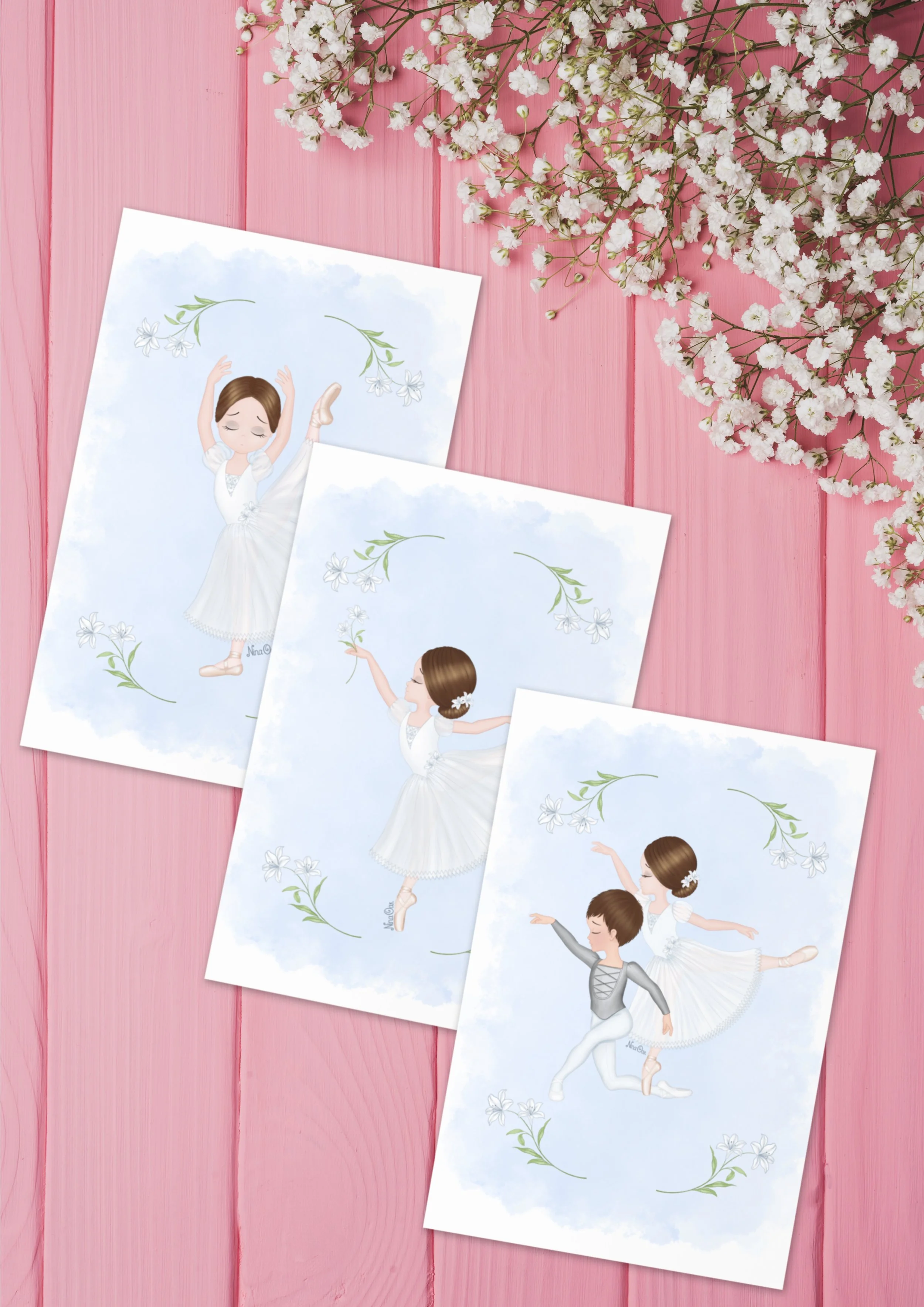
This well-designed greeting card is the perfect way to surprise ballet lovers! Create a unique message with these festive ballet-themed cards.
Material: Cardboard paper
Size: 4″ × 6″ (101 × 152 mm)
Comes with a complimentary envelope High-Quality Eco-Friendly Paper: Made with durable 350 g/m² satin-coated paper with FSC/PEFC certification, ensuring sustainability without compromising quality.
The products in this shop are unique, proudly made with human intelligence.
Everything is handmade and on demand, from the illustrations to the manufacturing.
The materials are carefully selected, prioritizing ethically and sustainably sourced fabrics and papers.
Please note: this product is handmade to order and takes 3 to 5 days to produce and ship, depending on the quantity.
For larger orders, such as for ballet schools and teachers, production time and delivery times may vary.
Feel free to contact me if you wish to place a specific order. Send an email to ninaoakillustrator@gmail.com.
I would love to see your photos on social media, so don't forget to tag @nina_oak_studio and use the hashtag #ninaoakillustrations so I can see them!
Follow the Instagram profile to keep an eye out and see if your creation has been reposted.